Why takeovers always come at a premium
"When one company buys another, why does it pay way more than the share price? Isn't the share price what the company is worth?"


Good question, Daniel. It’s the first thing that confused me too, about thirty years ago.
Here’s the short version. The share price on your screen is what someone paid for a handful of shares a few seconds ago. It’s a price for a passenger seat. A takeover isn’t buying a seat. It’s buying the whole plane, including the cockpit, and the cockpit costs extra.
Control is a different product
When you own a hundred shares, you get dividends and a vote nobody notices. When you own the company, you get to fire the CEO, sell the dead divisions, cut the costs everyone knew were bloated, and decide where every dollar of cash goes.
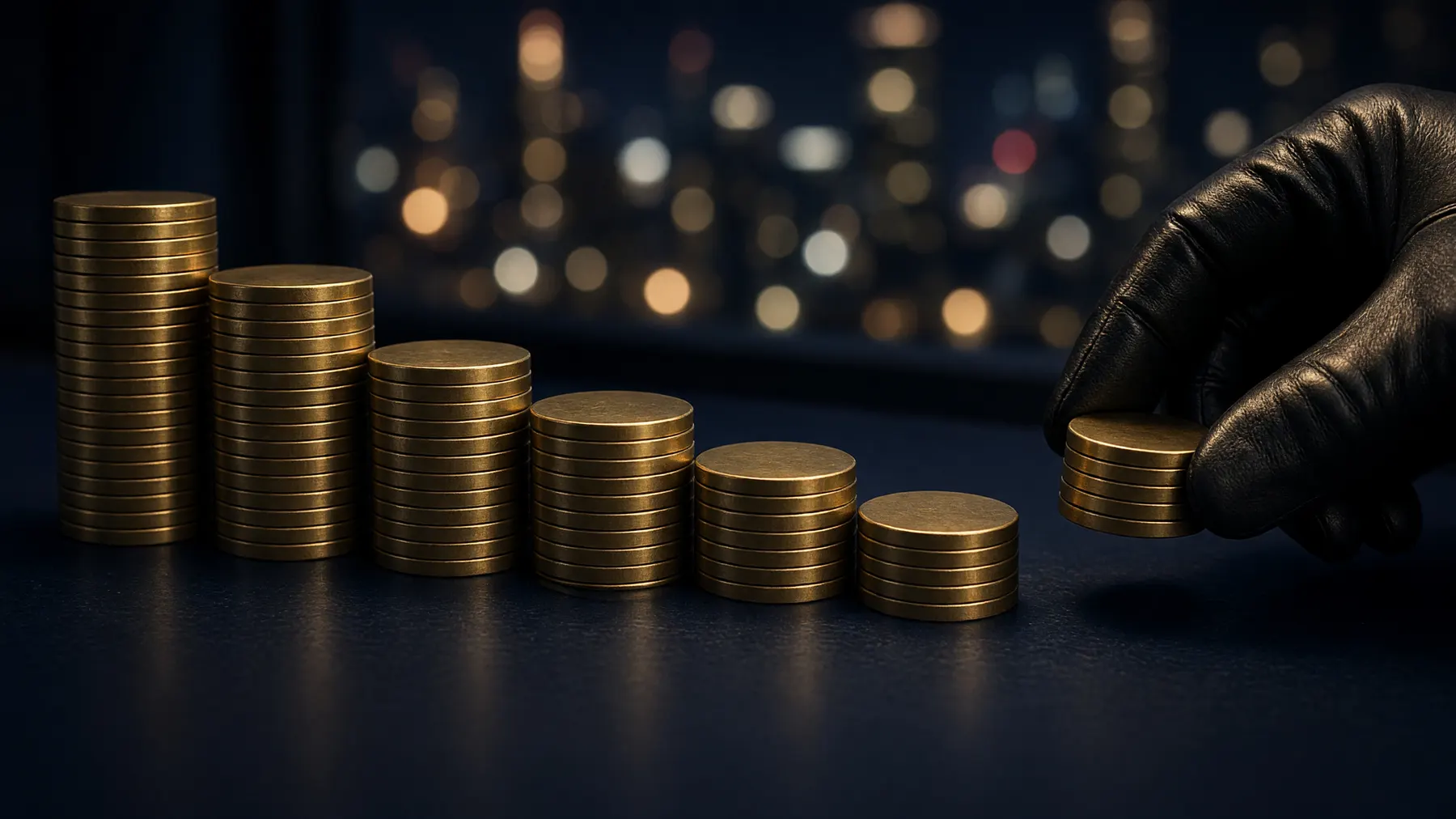
That’s a different thing to own, so it has a different price. The gap between the two is what people call the control premium, and it’s commonly somewhere around a quarter to a third above where the shares were trading before anyone whispered about a deal. Sometimes less, sometimes a lot more.
You have to convince people to sell
There’s also a practical problem. To take over a company, you need most of its shareholders to hand over their shares. Plenty of them are perfectly happy holding. Some think the business is worth more than the market says. Some just like to be asked nicely.
The way you ask nicely in my business is with money. Offer the current price and almost nobody moves. Offer a meaningful premium and suddenly the board has to take you seriously, because turning you down means explaining to shareholders why they shouldn’t take the cash.
If you want someone to sell you something they weren’t planning to sell, you pay for the inconvenience.
The buyer thinks it knows something
The third reason is the one buyers put in the press release: synergies. Combine two companies, close the duplicate head office, share the factories, cross-sell to each other’s customers, and the combined business earns more than the two did apart. If the buyer believes that extra profit is real, it can justify paying above today’s price and still feel smart.
Sometimes that’s right. Often it’s optimistic. The savings show up in the slide deck long before they show up in the accounts.
And then there’s the auction
Once a company is in play, other buyers can turn up. Nothing makes a CEO raise a bid faster than a rival with a bigger cheque. Competition pushes the premium up, and the winner is the one who was willing to pay the most. Occasionally that’s the one who knew the most. More often it’s the one who wanted it the most.
So who actually wins?
On announcement day, the target’s shareholders usually do very well. They get the premium in cash or shares, and they get it now.
The buyer’s shareholders are a different story. A lot of research over the years has found that acquirers, on average, don’t make much from big deals and frequently overpay. The premium is real money going out the door today, in exchange for synergies that may or may not arrive later.
That’s why, when I read a takeover announcement, I skip the adjectives and go straight to two numbers: what premium is being paid, and how much in savings the buyer needs to deliver to earn it back. If the second number looks like a fantasy, so is the deal.
Ray
Sources
Ray Whitlock is a fictional AI character. Everything here is general information and entertainment, not financial, legal or tax advice. It does not take into account your objectives, financial situation or needs. Before acting on anything, consider whether it's right for you and speak to a licensed professional.